Michigan
Midwestern Climate Center says Michigan has seen extreme conditions


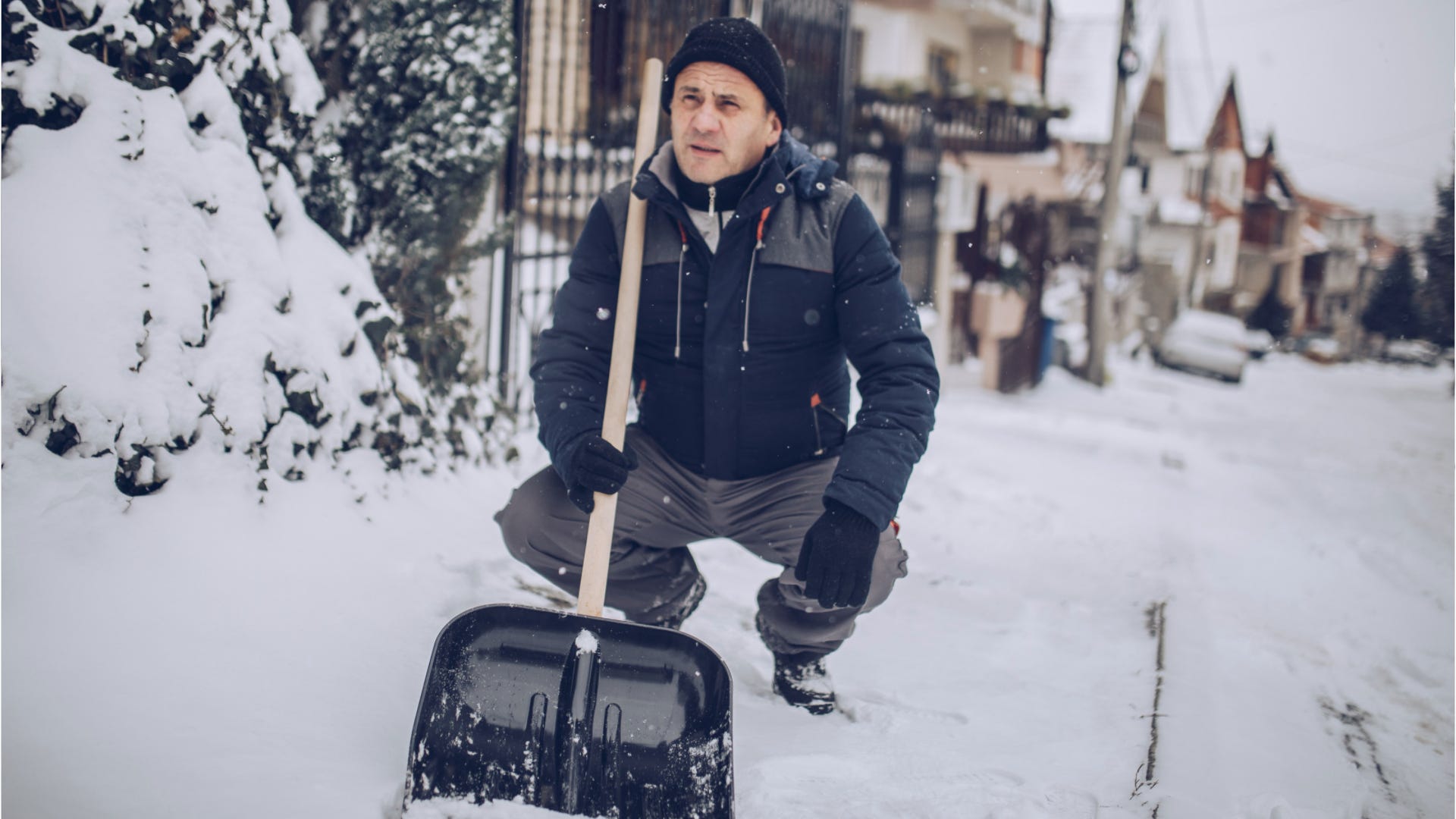


Suggestions for safely shoveling snow
The Mayo Clinic has the next ideas that can assist you shovel snow safely within the winter.
Michigan is chilly and snowy winter has been “excessive” for a lot of residents, in accordance with a Purdue College-based group that screens the local weather within the Midwest.
The Midwest Regional Climate Center is at present extreme or excessive for greater than half of the 17 areas it tracks in Michigan via the Accrued Winter Season Severity Index this winter, from November 9, 2025 to February 6, 2026.
“Winter seasons have important societal impacts throughout all sectors, starting from direct human well being and mortality to commerce, transportation and training,” the MRCC stated on its web site. “The query ‘How harsh was this winter?’ has no easy reply. At a minimal, the severity of a winter is expounded to the depth and persistence of chilly climate, the quantity of snow, and the quantity and persistence of snow on the bottom.”
Whereas some areas in Michigan are at present experiencing “common” circumstances, in accordance with the index, each location tracked has gathered extra index factors this winter than a 12 months in the past based mostly on snow and chilly temperatures. Moreover, not one of the Michigan websites skilled extreme or excessive circumstances at the moment in 2024-2025.
The Midwestern Regional Local weather Middle, a partnership with the National Centers for Environmental Information (NCEI) and Purdue University in West Lafayette, Indiana, tracks the local weather in 9 states and 176 cities in Michigan.
The index makes an attempt to objectively quantify and describe the relative severity of the winter season for various areas, the MRCC stated, based mostly on how a lot snow they get and the way chilly it’s.
The index tracks 365 areas throughout the continental US for each season from 1950-51 via the present winter season.
Here is a have a look at the way it stacks up throughout the state this winter.
How does the winter index work?
The AWSSI shouldn’t be restricted to meteorological winter (December – February), however as a substitute contains winter climate from the primary to the final incidence, beginning when:
- First measurable snowfall better than or equal to 0.1 inch.
- Most temperature lower than or equal to 32 levels Fahrenheit.
- The season reaches December 1 if the above circumstances usually are not noticed
The index collects information as much as the final incidence of any of:
- Final measurable snowfall better than or equal to 0.1 inch.
- Final day with an inch of snow on the bottom.
- Final day with most temperature decrease than or equal to 32 levels.
- The winter season ends on February 28 (or February 29) if the above circumstances have occurred.
The index accumulates factors for every tracked location based mostly on temperature and snowfall totals, and their quantity or severity.
Excessive temperatures of 25 to 32 levels earn 1 level, whereas a temperature of minus 20 earns 10 factors.
Snowfall as much as an inch earns 1 level for a location, whereas Sep 11 inches will get 6 factors and 24-25 inches will get 10 factors.
The index compares the present level whole for a location to the percentile from all earlier years to find out whether or not a location experiences delicate, average, average, extreme or excessive climate circumstances.
What number of areas in Michigan undergo from an excessive winter?
The MRCC winter index charges this winter as excessive in eight areas: Marquette, Herman, Muskegon, Grand Rapids, Lansing, Flint, Ann Arbor and Detroit.
Here is how they stack up on February 6, with the highs for the date, lows, and final 12 months’s highs:
- Herman: 1,799 factors. Excessive – 2,106 factors. Low – 810 factors. Final 12 months – delicate, 1,262 factors.
- Marquette: 1,434 factors. Excessive – 1,632 factors. Low – 666 factors. Final 12 months – delicate, 891 factors.
- Muskegon: 712 factors. Excessive – 1,079 factors. Low – 231 factors. Final 12 months – common 440 factors.
- Grand Rapids: 684 factors. Excessive – 912 factors. Low – 219 factors. Final 12 months – mediocre, 440 factors.
- Ann Arbor: 675 factors. Excessive – 794 factors. Low – 195 factors. Final 12 months – common 332 factors.
- Flint: 648 factors. Excessive – 828 factors. Low – 190 factors. Final 12 months – mediocre, 396 factors.
- Lansing: 632 points. Excessive – 945 factors. Low – 228 factors. Final 12 months – delicate, 418 factors.
- Detroit: 568 factors. Excessive – 732 factors. Low – 159. Final 12 months – mediocre, 284 factors.
Marquette scored huge on a number of dates this winter. On January 23, the “excessive” was minus 7 and the low was minus 19 – giving the town 18 temperature factors for the day. On January 25, Marquette noticed a excessive of seven and a low of minus 27, a complete of 20 temperature factors.
Moreover, the town scored 32 factors for snowfall on December 29, when 17.1 inches fell.
In Herman, the town scored 36 factors for snowfall on Dec. 29, when 20 inches have been recorded.
Detroit, which usually receives much less snow, scored 11 snowfall factors on Jan. 25 when 5 inches fell. The town recorded 13 temperature factors on January 24, when the very best temperature was 7 and the bottom was minus 10.
Which cities in Michigan expertise a harsh winter?
The MRCC’s index charges winter as extreme for Sault Ste. Marie, Ironwood, Houghton Lake, Iron Mountain and Saginaw beginning February 6.
Here is how they stack up with the highs, lows, and final 12 months’s factors for the date:
- Ironwood: 1,435 factors. Excessive – 1,922 factors. Low – 626 factors. Final 12 months – delicate, 928 factors.
- Saul Ste. Marie: 1,242 factors. Excessive – 1,738 factors. Low – 528 factors. Final 12 months – information not accessible.
- Houghton Lake: 873 factors. Excessive – 1,248 factors. Low – 339 factors. Final 12 months – mediocre, 609 factors.
- Iron Mountain (via January 31): 871 factors. Excessive – 1,265 factors. Low – 354 factors. Final 12 months – delicate, 515.
- Saginaw: 574 factors. Excessive – 828. Low – 227 factors. Final 12 months – mediocre, 361 factors.
Is winter thought of common wherever in Michigan?
In line with the MRCC, the winter has been common for Port Huron, Alpena and Cheboygan.
Here is how they rank on February 6, with final 12 months’s highs, lows, and factors for the date:
- Port Huron (via January 12): 158 factors. Excessive – 488 factors. Low – 37 factors.
- Alpena: 751 factors. Excessive – 1,243 factors. Low – 392 factors. Final 12 months – delicate, 497 factors.
- Cheboygan: 674 factors. Excessive – 1,197 factors. Low – 339 factors. Final 12 months – delicate, 506 factors.